

News

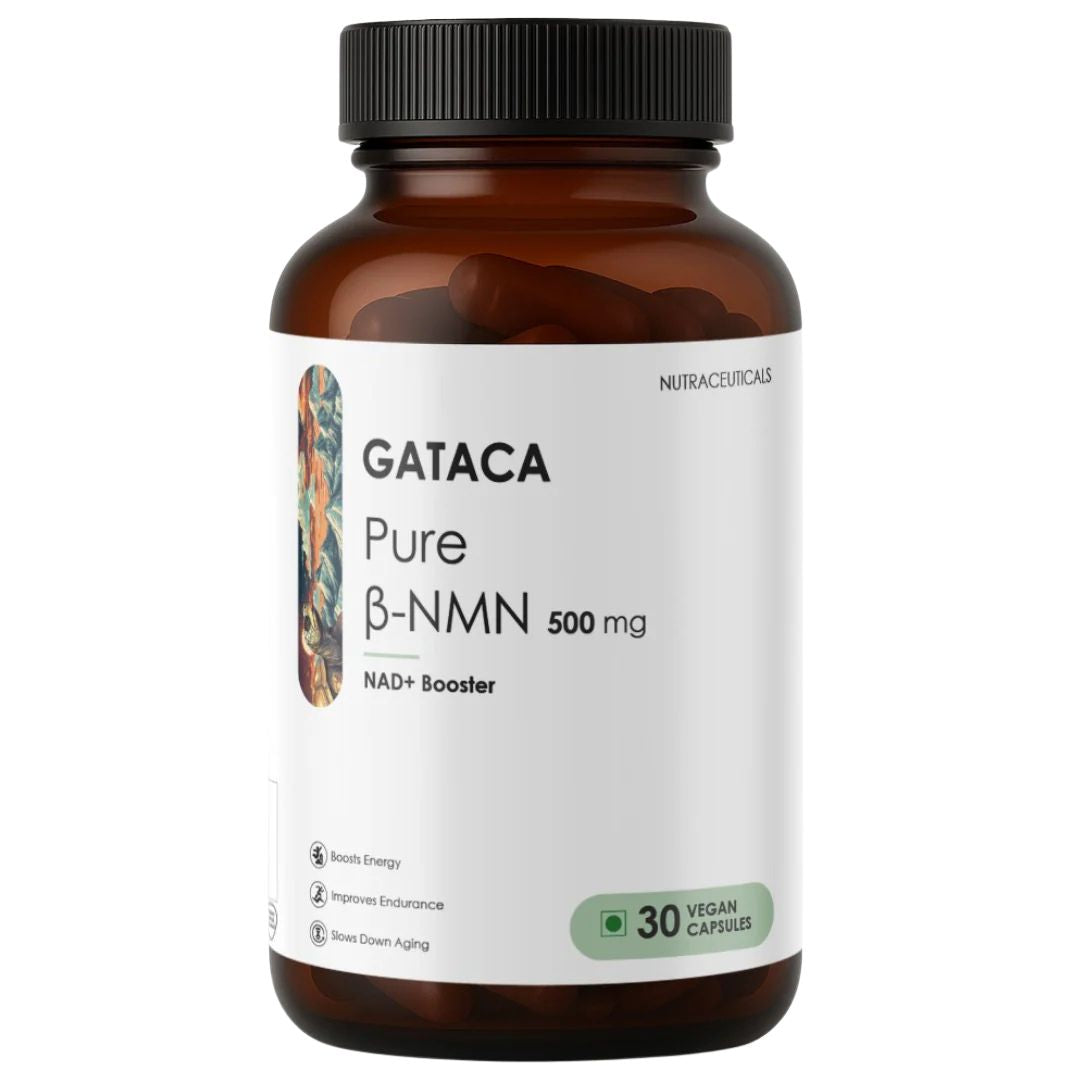
What Happens to NAD+ After 30 and Why NMN Matters More Than Ever
What Happens To NAD+ Levels After 30? Okay, picture this: NAD+ is like the unsung stagehand at a big Bollywood production and it’s behind the curtains making sure the lights work, the actors don’t trip over the wires and the director’s chai is always hot. Now imagine after you turn 30, that stagehand starts skipping work more often when suddenly people forget their lines and the whole show feels a little off. That’s your body without optimal NAD+ levels. Scientifically speaking, NAD+ (short for nicotinamide adenine dinucleotide, a crucial coenzyme) begins to dip by as much as 65% by the age of 30-70 (Yikes!) which means less energy at a cellular level, sluggish DNA repair and a slower metabolism. Your mitochondria - the tiny engines of your cells, suddenly start running like old scooters instead of brand-new sports bikes. You’re still you, but just with a lot less vroom. Why NMN Is Important After Age 30 Enter NMN, or nicotinamide mononucleotide, which is basically the upgrade your cells didn’t know they needed. After 30, fuel levels drop. NMN swoops in like a premium fuel delivery service, topping up the tanks before things go off schedule. NMN acts as a precursor to NAD+, which means it helps your body produce more of this life-supporting molecule naturally and instead of patchy energy and slow recovery after a stressful day (or a killer HIIT session), your cells get the resources they need to function optimally. This obviously translates to better metabolic health, more consistent energy, faster recovery and even greater support for brain function overall. Signs Of NAD+ Deficiency In Adults Now, how do you even know if your NAD+ levels are waving the white flag? While you can get fancy lab tests, your body drops hints that are hard to ignore. Firstly, that unshakable fatigue despite mainlining three cups of filter coffee by noon? Classic sign. Then there’s the slower muscle recovery after a workout. It feels like you need a personal physio just to get off the sofa. Add to that a tendency to pick up every cold going around the office and a growing waistline despite no major changes in diet. Oh, and the new wrinkle that popped up overnight? That’s your skin telling you cellular repair isn’t what it used to be. NMN Supplements Benefits After 30 For starters, energy production improves at a cellular level and your mitochondria begin to function more efficiently, which means you don’t feel like your limbs are full of sand by 4 pm. Recovery from workouts or long days at work also speeds up dramatically because your cells have the resources to repair themselves faster and that translates to less muscle soreness and better resilience overall. Then there’s the impact on brain health. NAD+ is deeply involved in cognitive function, so better levels can mean sharper focus and memory. Your metabolism also gets a much-needed reboot. Think better fat utilisation and more stable blood sugar levels, which is pretty much the holy grail for anyone who wants to maintain a healthy weight without endless crash diets. Conclusion Here’s the thing, turning 30 isn’t some grand announcement that your energy and ambitions have packed their bags and left the building. It’s more like your body quietly tapping you on the shoulder and whispering that it might be time to give the engine room a little extra love, and when you choose to support your natural NAD+ production with NMN you’re essentially slipping your cells the tools they’ve been craving to fire on all cylinders again. NMN surely is NOT some magic bullet promising immortality but it is easily one of the most studied and genuinely promising ways to keep your energy, recovery and overall health humming as the years go by. FAQs 1. What is NAD+, and why is it important after age 30? NAD+ is a coenzyme found in every cell of your body and is essential for energy production, DNA repair and metabolism. After age 30, natural levels decline, which can lead to fatigue, slower recovery and accelerated ageing. Maintaining healthy NAD+ levels supports better energy and resilience. 2. Does NAD+ production really decline with age? Yes. Studies show NAD+ levels start to dip by your late twenties and can fall by up to 50 percent by mid-life. This decline impacts energy production and cellular health. Supporting your body’s NAD+ levels through lifestyle or supplements becomes more important after 30. 3. How does low NAD+ affect your body and energy levels? Low NAD+ can lead to constant fatigue, slower muscle recovery, brain fog, weakened immunity and even early signs of aging. Because NAD+ is vital for energy at a cellular level, its decline can affect nearly every aspect of physical and cognitive performance. 4. Can NMN supplements help restore NAD+ levels? Yes. NMN is a precursor to NAD+ and helps the body increase its natural levels. Consistent NMN supplementation may improve energy, metabolism, brain function and cellular repair, making it especially useful after 30 when natural NAD+ production begins to decline. 5. Is NMN safe to take after 30 for long-term health? Current research suggests NMN is safe for healthy adults when taken in recommended doses. It’s well tolerated, and since it supports natural processes in your body, it’s suitable for long-term use. Always consult your doctor before adding any supplement to your routine.
Learn more
Why You're Still Tired After 8 Hours of Sleep
Why Am I Still Tired After 8 Hours Of Sleep? Let’s get one thing straight. If you’ve slept for a solid 8 (or 10) hours and still wake up feeling tired, you’re not lazy, broken or overdramatic; you’re just in the company of millions of people whose bodies are technically horizontal at night but never truly resting. It’s not about how long you sleep, it’s about what your brain and body are doing while you’re out cold. If your sleep cycles are shallow, fragmented or constantly yanked out of rhythm - thanks to stress, caffeine, scrolling or snoring, your body never hits the deep, slow-wave and REM stages it needs to fully reboot. Think of it like recharging your phone on a dodgy USB cable: it lights up, but it’s not really filling up. And then there’s sleep inertia, a.k.a that cursed fog that makes your brain feel like it’s booting up on Windows 98 while the world runs on fibre broadband, and that groggy mess is often caused by waking up during the wrong stage of your sleep cycle. Not to mention the sneaky suspects: sleep apnea, iron or B12 deficiencies, underactive thyroid, or low magnesium levels - pretty common in Indian diets, especially if you’re vegetarian or skipping out on whole foods in favour of yet another dosa + filter coffee situation. In short: You’re sleeping. But you’re not recovering. And that’s a problem you can absolutely fix. How To Stop Feeling Tired After Sleeping First, let’s drop the idea that more sleep equals more energy. You could sleep 12 hours and still wake up feeling like a rickshaw with a flat tyre if your sleep quality is trash. Here’s where you get smart about your recovery game. Fix your sleep hygiene, not just by changing your bedsheets (though, yes, please do that too), but by reworking the entire vibe of your nights. Your body loves consistency, and that means going to bed and waking up at roughly the same time every day, and yes, Sundays too! Next, protect your circadian rhythm like it’s your Spotify Discover playlist: personal, essential, and wrecked if tampered with too much. Your body runs on light cues, so if you’re waking up to darkness, working indoors all day, and binging on reels till 2 AM, your internal clock is basically in a different time zone. Here’s where supplements can help. Your body’s little energy factories (called mitochondria) don’t just run on vibes; they need actual fuel, and if your diet’s not delivering, smart supplementation is your shortcut to try. Some great options to try are apigenin, melatonin - all of which are natural. Apigenin is a plant based compound that helps keep your blood pressure on track- keeping your heart and brain working better than ever. Sleep Hacks To Feel Energised Let’s break down some practical, no-fluff hacks that can turn your sleep from “meh” to “miraculously restorative”. Chill before you crash Give yourself a wind-down hour. That means: no screens, no emails, no revenge-scrolling. Do some light stretching, journaling or breathwork. And if your brain is still racing, take a dose of magnesium glycinate or TMG Betaine. You could also try calming adaptogens, which help switch off the cortisol party and let melatonin take the wheel. Track it to hack it Your sleep may feel decent, but you could still be tossing, turning or waking up multiple times without knowing it. Use a tracker to see how much time you're actually spending in deep or REM sleep. It’ll tell you more than guesswork ever will. Support your mitochondria If you’re tired even after decent sleep, your body’s energy production is likely lagging. NMN, Apigenin, TMG, CoQ10 and alpha-lipoic acid aren’t just trending, they’re well-researched mitochondrial support compounds that help your body make more energy, more efficiently. Think of it as cellular caffeine, without the crash. What’s better- they are great for cellular health in the long term and help them age better too. Conclusion Look, waking up tired isn’t just annoying. It’s disorienting. You start questioning your life choices, your mattress, your career, and your ancestors. But here’s the thing- it’s not you. It’s your recovery game that needs a glow-up. You can’t out-sleep bad habits, or poor nutrient levels, or chronic stress. But you can get smarter about how you rest, how you fuel, and how you supplement. When you pair quality sleep with smart cellular support like Gataca’s NMN, you’re not just surviving mornings, you’re owning them. And that Hyderabad traffic you dread at 9 AM? You’ll be ready to stare it down with a grin, a podcast, and a pulse that says, “I’ve slept. I’ve recovered. Now, let’s go.” FAQs- 1. Can sleep apnea make me tired even after a full night’s sleep? Yes, sleep apnea causes multiple interruptions in breathing during the night. This prevents your body from entering deep restorative sleep, leaving you tired even if you were in bed for 8 hours or more. 2. What are signs of poor sleep quality? Waking up frequently, vivid dreams, sweating, feeling groggy in the morning, and needing caffeine right after waking are common signs. Even if you sleep for a long duration, these indicate that your body isn't getting restful, deep sleep. 3. Does screen time affect sleep even if I get 8 hours? Absolutely. Exposure to blue light just before bed time suppresses melatonin production. This can delay sleep onset, reduce deep sleep stages, and result in waking up feeling haggard, despite clocking in enough hours. 4. Can stress or anxiety ruin my sleep quality? Yes. Chronic stress or even unresolved worry can prevent your brain from fully winding down. This leads to fragmented or shallow sleep, often without you realising it, and leaves you feeling exhausted throughout. 5. What medical conditions cause constant fatigue? Thyroid disorders, diabetes, anaemia, vitamin B12 deficiency, chronic fatigue syndrome and depression are some conditions that can cause persistent tiredness. If fatigue continues despite good sleep, consult a doctor for a full evaluation.
Learn more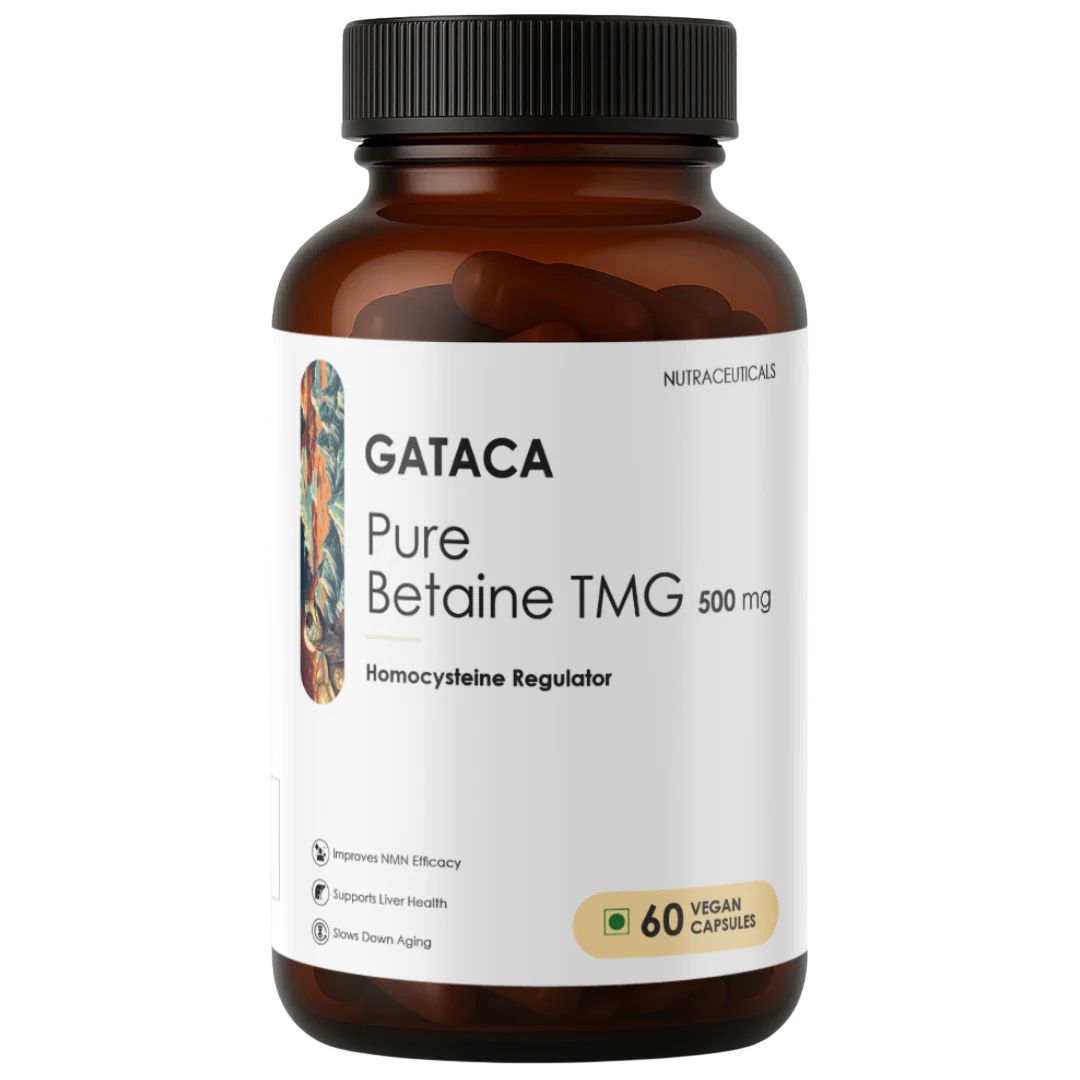
Betaine: The “Exercise In A Pill” Molecule You Need To Know About
Introduction - Exercise is good for you- this is something we have all heard. But, how often should you do it? Do you just do random HIIT sessions a few times in a month or do you exercise on a more regular basis, and work up a slow burn? How are the positive effects of exercise mediated by specific molecules in the body? One end result that research has definitely known about for a long time is the fact that exercise confers serious anti-aging effects on the body. This is why people age better, when they move on a regular basis. But, how does that happen? Scientists have worked long and hard to try to find any molecule that is intrinsically produced by the body and how it helps improve cellular processes. They have finally managed to zero in on TriMethyl Glycine (TMG), commonly known as Betaine. What Does Betaine Do To Your Body? Betaine or TMG is basically glycine- the smallest amino acid in existence, but it has 3 additional methyl groups to give away. Many enzymes basically just work to remove or add methyl groups to various molecules in the body - and it is important to remember that with the addition or deletion of even a single methyl group, the properties of a compound can change drastically. Methyl groups are used up regularly in crucial cellular processes like DNA methylation, protein synthesis, in regulating gene expression and also in ensuring that metabolic pathways function in the right way. This complicated concept can be expressed in another way- you can think of methyl groups as the gluten in a bread making factory. It is not the main ingredient like flour, but it helps regulate hundreds of enzymatic processes in the body and we all know that gluten is needed for great, crumbly and airy looking breads and that just a little goes a long way in improving bread texture and taste. The Connection Between Betaine and Exercise A group of researchers in the Chinese Academy of Sciences, from the Institute of Zoology worked for 6 years on a well designed study, to understand how exercise changes cells at the molecular level, for the better. They had 13 healthy male volunteers and the study was divided into 3 distinct phases. Phase 1- Baseline- 45 days- Only very basic movements were encouraged- like walking from one place to another and going about their daily routine, with a strict emphasis on getting enough sleep and eating well. After 45 days, stool and blood samples were collected. Phase 2- Acute Exercise or AE phase- A one time thing where volunteers were asked to run for 5 km at a speed of 8 km/hour. Samples - stool and blood were taken. Phase 3- 25 Days- Long-term Exercise (LE) - Where volunteers would run for 5 km daily or intermittently and no speed restrictions were placed. Samples were taken for testing. Then, with advanced multi-omics screening, they checked for specific markers and RNA molecules in the samples. They found that most of the positive anti-inflammatory and anti-aging effects could be attributed to one molecule- betaine that was synthesised in the kidneys. The activity of an enzyme choline dehydrogenase (CHDH) was upregulated in the kidneys, which meant more betaine was synthesised from choline, when participants exercised regularly for longer periods of time. The Exercise Paradox It was found that AE or acute exercise caused major spikes in cortisol levels, caused amino acid reserves to get depleted and oxidative stress was induced, using the IL6/Cortisol pathway. This is like being in a state of metabolic turmoil. But, LE or long term exercise helped reprogram metabolism and immunity in a more stable manner- by expanding the number of naive T-Cells, which would in effect help suppress aging related markers like ETS1 and helped decrease the activity of TANK-Binding kinase-1 (TANK1) - which is an enzyme that helps promote inflammation using interferons and NF- kappa B. This is why researchers have tried to understand if supplementing with betaine could help regulate aging and if it could double as an exercise-in-a-pill solution for people who may not be able to move around freely or have weak hearts. Experiments with betaine in older mice have shown that regular supplementation helped reduce inflammation and oxidative damage- 2 major signs of aging. Conclusion Betaine can be used as a therapeutic substance by older individuals who suffer from movement disorders or have heart issues- which will mean that they need exercise to feel better but cannot do it because they are not physically fit. Studies have shown that regular exercise helps increase betaine levels in the blood. So, if you supplement with the same amounts of betaine in older, physically unfit folk, then these individuals can reap the benefits of it being an anti-inflammatory and anti-aging agent. For younger folk like you or me, getting enough exercise would be a better alternative, but there is no harm in supplementing with TMG daily, if your doctor gives you the go-ahead! FAQs- 1.What is betaine and how does it work in the body? Betaine is trimethyl glycine- an amino acid that breaks down to give away 3 methyl groups which can be used in different cellular maintenance processes in the body. Crucial processes include DNA methylation, protein synthesis, metabolism and regulating inflammation and aging. Glycine itself is an inhibitory neurotransmitter and can be used by the brain for signalling. 2.Why is betaine called “exercise in a pill”? Studies have shown that supplementing with betaine helped older mice age better, improve metabolism and brain health. This may be an alternative to explore for older individuals who may not be able to move around if they suffer from chronic conditions of the heart or the brain. 3.Does betaine help with muscle strength and endurance? Yes, it helps regulate osmosis in the cells of the body and also has lasting effects on cellular processes- and with lesser inflammation and slower aging, muscle cells work better and you can work out for longer too. 4.How long does it take to see results from betaine supplementation? Betaine supplementation shows its positive effects in a couple weeks for many people- in the form of increased endurance or more repetitions. But, if you want a marked change in body composition, then it may take as long as 6 weeks or more. Your body needs patient care and love and not fad diets or quick fixes which are designed to crash as soon as they are stopped. 5.What does betaine do for the brain and mental focus? As betaine breaks down to give glycine- which is a major inhibitory neurotransmitter, it means that with adequate levels of glycine, your brain will sleep better and not get stressed as easily as before. Studies have also shown a clear link between depression or anxiety and such individuals having lower amounts of glycine in their blood.
Learn more
How Apigenin Blocks Cortisol and Improves Deep Sleep Cycles
How Apigenin Blocks Cortisol And Improves Deep Sleep Cycles While you might be trying to sleep, your body- specifically, your hypothalamic-pituitary-adrenal (HPA) axis- is still convinced there’s a tiger in the bushes, or a deadline on your neck, or at the very least, an Instagram reel you haven’t seen yet. This means cortisol- your body’s favourite stress hormone, continues to party in your bloodstream long after the day is over, leaving you feeling wired, tired, and utterly confused as to why eight hours in bed still feel like a nap taken inside a blender. Apigenin, however, knows exactly where the party’s happening- at the level of your cortisol production and your GABA receptors- and what it does, in its gentle, nerdy way, is reduce the output of that late-night cortisol while simultaneously whispering sweet nothings to your GABA pathways, which are like your brain’s natural brakes, the ones that say, “Shh now, enough thinking, let’s rest.” Apigenin For Deep Sleep What makes apigenin particularly seductive in the realm of sleep science is its uncanny ability to increase the availability of gamma-aminobutyric acid, which, in the most poetic sense, acts as your brain’s lullaby molecule, lowering neuron firing, slowing down your internal monologue, and luring you into the quiet, dark cocoon of slow-wave sleep where the real restoration begins- the kind where your body repairs tissues, rebalances hormones, files away memories, and gently erases the day’s chaos without needing your permission. Reduce Nighttime Cortisol Naturally If your cortisol is high at night, think of it as having a power drill running in the background while you’re trying to meditate- you can try, but your nervous system will still be on alert. Normally, cortisol- your body’s main stress hormone- should rise in the morning like the sun, powering your get-up-and-go, and slowly taper off in the evening like a soft dimmer switch. But modern life with its constant notifications, late-night meals, endless doomscrolling, and pressure to be "on" at all hours, has completely hijacked that cycle. So, Apigenin doesn’t just wait passively in a corner, it steps in and modulates the very enzymes that drive cortisol production. And the beauty is, it doesn’t crash your system or leave you feeling foggy; it simply helps you slide out of the overdrive gear and into neutral, which is exactly where your body needs to be when you’re getting ready to sleep. Apigenin And Stress Relief It’s not just sleep apigenin is interested in. No, what this little compound offers, in its own subtle way, is a form of neuroprotection - calming down the oxidative stress in your brain and easing neuroinflammation, which has been linked to everything from anxiety to brain fog to why you walked into the kitchen and immediately forgot why you were there. How Does Apigenin Compare To Melatonin For Sleep? While melatonin is a hormone your brain naturally produces in response to changes in light exposure, signalling your body that it’s time to wind down, taking it as a supplement can sometimes feel like turning off the lights too suddenly. You may fall asleep, but you might also wake up feeling like someone hit “eject” before the credits rolled. Apigenin, on the other hand, plays a longer, smoother game, works through the GABAergic system, enhances the quality and depth of sleep without forcing it to happen - more like setting the stage than just pushing the actors on. Conclusion In a world where burnout is romanticised, rest is undervalued, and stress is practically a badge of honour, apigenin arrives like a soft rebellion. It is a plant-derived, non-sedative compound and is a quietly effective answer to sleepless nights, chronic overthinking, and cortisol levels that refuse to mind their business. It offers not just sleep, but the right kind of sleep- the kind where your nervous system is no longer dancing on high alert, your brain is finally safe to relax, and your body gets to restore itself without fighting through stress signals. Think of it as nature’s way of saying, “You don’t have to try so hard- just let go, close your eyes, and I’ll take it from here.” FAQs- 1. What is apigenin and how does it work in the body? Apigenin is a plant flavone commonly found in chamomile and parsley. It interacts with GABA receptors to calm brain activity and modulates the stress axis to lower cortisol levels, supporting deeper sleep cycles and nervous system balance naturally. 2. Why does apigenin make you sleepy? It promotes sleep by enhancing GABA signalling, which slows neural firing, and by reducing cortisol, which inhibits deep sleep. The combined effect leads to easier onset of relaxation and improved time spent in slow-wave sleep. 3. What does apigenin do for the brain? It supports neuroprotection by reducing oxidative stress, balances neurotransmitters to ease anxiety, and improves sleep architecture. Over time these benefits help preserve cognitive clarity, emotional resilience and healthy memory function. 4. What’s the best time to take apigenin for sleep support? The ideal time is about forty-five to sixty minutes before bed. This allows the compound to take effect by lowering morning cortisol signalling and engaging GABA pathways just as you begin your wind-down. 5. Can apigenin help with anxiety or nervous tension? Yes, it can. Apigenin reduces stress by calming the HPA axis and enhancing GABAergic tone. It has been shown in studies to reduce markers of generalised anxiety and physiological tension, making it useful for calming a busy mind before rest.
Learn more
The First Signs of Cellular Fatigue
Signs Of Cellular Fatigue There’s a kind of tiredness that doesn’t look like droopy eyelids or dramatic yawns, but rather feels like your body is wrapped in heavy fog and your mind is trudging through wet cement. And what makes it worse is the fact that you’re doing everything by the book- you sleep your full eight hours, you drink your water, you take your vitamins, you even pretend to enjoy meditation, yet somehow, you still wake up exhausted, wondering if your soul snuck out in the middle of the night and forgot to return. This isn’t your average fatigue that a nap or a weekend off can solve. This is cellular exhaustion. This is your mitochondria, those tiny little powerhouses inside your cells, quietly waving a white flag. How Chronic Stress Affects Cellular Health Picture your cells as tiny factories that are supposed to hum quietly and efficiently in the background, producing energy, repairing tissues, balancing hormones, and doing about a thousand other things without complaint. Now imagine you’ve flooded those factories with chaos. You’ve pulled out the wiring, overworked the machinery, fired the maintenance crew, and told them to “just keep going” while also cutting their supply chain and yelling at them through your thoughts. That’s what chronic stress does. It doesn’t just live in your mind. It floods your bloodstream with cortisol and adrenaline, messes with your blood sugar levels, disrupts your sleep cycle, and hijacks your immune system. Your poor mitochondria- those tiny energy producers- are left trying to function in a war zone. Over time, this stress wears down the very systems designed to keep you vibrant. Your digestion suffers. Your hormones misfire. Your brain slows down. How To Fix Cellular Fatigue It starts with sleep, and not just sleep that involves closing your eyes while doom-scrolling until your phone falls on your face, but actual deep, uninterrupted, circadian-respecting, melatonin-supported sleep that lets your brain clean itself out and your body recharge. You need to make bedtime sacred. Not optional. Not occasional. But definitely non-negotiable. Then there’s movement- not punishment, not panic-fuelled burpees, but calm, steady, mitochondria-loving exercise like zone 2 cardio or strength training. These aren’t just for aesthetics. They’re for metabolic resilience. They help your cells learn how to burn fat for fuel, build muscle, regulate blood sugar, and keep your mood in check. You’re not training for a six-pack. You’re training for long-lasting energy that doesn’t crash halfway through your to-do list. Cell Health Support Supplements are not magic pills, but they can be wonderful co-pilots when used with intention. When you’ve pushed your body to its limits, sometimes it needs a bit of targeted reinforcement, especially when food alone can’t keep up with the demands of modern living and the endless stressors that deplete your nutrient bank faster than you can refill it. Start with magnesium. It’s the mineral responsible for hundreds of cellular processes, and yet most people are deficient without even knowing it. It helps you sleep better, keeps blood sugar stable, calms an overactive nervous system, and smooths out that edgy, twitchy feeling that makes you want to cancel everything and live in a cave. And then there’s CoQ10- the quiet hero of the cellular world. It supports energy production directly at the mitochondrial level, and if you’ve been on medications like statins, or under prolonged stress, chances are your levels have quietly dipped. Supplementing with CoQ10 is like sending a power boost directly into your energy factories and asking them to please, kindly, turn the lights back on. Conclusion Your body wants to heal. Your cells are astonishingly resilient when given half a chance. You don’t need a full life overhaul. You just need to start paying attention - to the sleep you skip, the meals you rush and the stress you ignore. These are the signals that your body sends and you politely pretend not to hear. Vitality isn’t about perfection. It’s about presence. About creating the space where your biology can breathe again. You don’t have to keep dragging yourself through each week. You can restore, repair and reclaim your day. Because your energy isn’t gone. It’s just buried. And with the right support, it can come roaring back to life! FAQs- 1. What is the first site of fatigue in the body? Usually, the first signs of fatigue show up in the muscles and the brain. You may notice slower reaction times, heavy limbs, and difficulty concentrating. These subtle cues often appear before more noticeable physical exhaustion sets in. 2. What causes fatigue on a cellular level? At the cellular level, fatigue is caused by reduced mitochondrial function, which leads to decreased ATP (energy) production. Factors like chronic stress, poor nutrition, lack of sleep, and toxin exposure can impair these energy-producing organelles. 3. What is cellular fatigue? Cellular fatigue refers to a state where your cells can no longer produce energy efficiently. This can affect how your muscles function, how your brain processes information, and how your entire body recovers from stress or exertion. 4. What causes cells to lose energy over time? Cells lose energy due to age, oxidative stress, nutrient deficiencies, poor lifestyle habits, and inflammation. Mitochondrial damage builds up over time, especially without sufficient rest and nutritional support. 5. How can I tell if my mitochondria are underperforming? You may feel tired even after resting, experience brain fog, crave sugar for quick energy, notice slow exercise recovery, and fall sick frequently. These are all possible indicators of mitochondrial underperformance.
Learn more
The Natural Compound That Calms Your Brain and Protects It - Apigenin
How Apigenin Calms The Brain Naturally If your brain often feels like a music festival with too many DJs playing at once and none of them seem to be agreeing on the same tracklist, apigenin might just be the manager who steps in quietly and brings everyone into harmony. Found in plants like chamomile, parsley and even celery, this naturally occurring flavonoid interacts with your nervous system in a way that feels more like a gentle hand on your shoulder than a hammer knocking you out cold, and it does this by connecting with your GABA receptors- those players in your brain that know how to say “relax, we’ve got this” when the world feels like it’s spiralling. Just because it works with your natural systems instead of bulldozing through them, the calmness it creates doesn’t feel artificial or heavy; instead, it feels like your mind has finally closed the 100 open tabs and decided to just focus on one thing at a time, which, as anyone who has lain awake at night replaying conversations from five years ago will tell you, is a huge win. Apigenin For Cognitive Support And Mental Clarity Studies suggest that apigenin may even help your brain grow new neurons, a process called neurogenesis, which is as exciting as it sounds because it’s the biological equivalent of upgrading your old laptop to a brand-new model without having to throw the old one away. For you, this means sharper focus, better memory and fewer moments where you walk into a room and immediately forget why you’re there, which, let’s be honest, is something all of us can get behind. When To Take Apigenin? If we’re being real, the perfect time to take apigenin is an hour before bedtime, when your brain has officially hit its “I’m done with this day” quota, but your nervous system is still over there acting like it just chugged three shots of espresso. Here’s the thing: apigenin doesn’t come in with a mallet and knock you out cold like some sketchy sleeping pill, it’s more like that chill friend who shows up at 10 p.m., puts your phone on silent, throws on a lo-fi playlist and convinces your mind to stop overthinking for once. Apigenin Dosage For Testosterone Now let’s talk dosage and why apigenin is kind of a hormonal ninja because aside from making your brain chill, it also helps you maintain healthier testosterone levels by slowing down the aromatase enzyme, which is the little troublemaker that keeps converting testosterone into oestrogen for no good reason. While most studies throw around numbers like 50 to 150 mg a day, here’s the truth, your body is not a copy-paste template and the smart move is to talk to your doctor or nutrition pro who actually knows your vibe and can help you figure out how much you need because overdosing on supplements is not the flex you think it is. Conclusion Apigenin is not the kind of supplement that’s going to slap you with instant results or make your life feel like a luxury wellness retreat in Goa overnight, but it will help your nervous system stop spiralling, keep your hormones from throwing tantrums and basically make it easier for you to not feel like you’re permanently running on 3% battery. And the best part is you can get it in small doses through foods like chamomile tea if you’re into that soft aesthetic or you can go full send with a quality supplement that actually gives you enough to make a difference, because being the version of yourself who wakes up ready to handle the day is the biggest power move you can make! FAQs- 1. What is apigenin and how does it affect the brain? Apigenin is a natural flavonoid found in plants like chamomile, parsley, and celery. It binds to GABA receptors in the brain, helping to reduce overactive brain activity and promote calmness. It may also support neurogenesis and reduce oxidative stress, making it a valuable compound for overall brain health. 2. Is apigenin effective for anxiety and stress relief? Yes, apigenin’s interaction with GABA receptors can reduce anxious feelings and help the body relax naturally. Unlike pharmaceutical sedatives, it works subtly, allowing your brain to calm down without feeling sedated. Regular use may help you better manage everyday stress and improve sleep quality. 3. Which foods are high in apigenin naturally? Apigenin is abundant in chamomile tea, parsley, celery, onions, and oranges. Indian diets often include coriander and basil, which also contain small amounts. While these foods contribute to overall intake, supplements may be considered for therapeutic benefits, as natural dietary sources often provide smaller doses. 4. What is the ideal apigenin dosage for brain health? Although research is still emerging, most studies suggest 50–150 mg daily is a safe range for adults using apigenin supplements. The right dosage may vary depending on your health status and goals, so consult your doctor before starting to ensure it’s appropriate for you. 5. Is apigenin safe to take daily as a supplement? Yes, when taken in recommended doses, apigenin is generally considered safe for long-term use. It’s a natural plant compound and well tolerated by most people. However, those on prescription medications or with health conditions should check with a doctor before beginning supplementation.
Learn more
FDA Re-Establishes NMN As A Dietary Supplement
In a landmark decision in September 2025, the U.S. Food and Drug Administration (FDA) officially removed restrictions on NMN (Nicotinamide Mononucleotide), restoring its status as a legal dietary supplement. This marks the end of a three-year regulatory saga that has shaped the future of NMN in the wellness and longevity industry. The journey began in May 2022, when the FDA approved NMN as a New Dietary Ingredient (NDI), paving the way for its legal sale as a dietary supplement. This was a significant moment for companies and consumers interested in NMN’s potential benefits for energy, metabolism, and healthy aging. However, in November 2022, the FDA reversed its stance. It ruled that NMN could not be sold as a supplement because it was under investigation as a pharmaceutical drug. This decision was based on the “drug preclusion” clause, which gives investigational drugs regulatory priority over supplements. The sudden restriction disrupted the NMN market and drew criticism from both industry stakeholders and consumers. In March 2023, the Natural Products Association (NPA) filed a formal petition urging the FDA to lift these restrictions, arguing that NMN had been marketed as a supplement well before drug investigations began. When this did not yield results, the NPA escalated the matter by filing a lawsuit in August 2024 against the FDA. Mounting public and legal pressure led the FDA to pause enforcement in October 2024, allowing NMN products back on shelves. Finally, in September 2025, the FDA permanently lifted its restrictions, marking a decisive victory for the supplement industry and NMN consumers. This resolution brings clarity to NMN’s regulatory status and paves the way for broader access and innovation in the longevity space.
Learn more
How to Choose the Right Form of Magnesium (and Why It Matters)
Which Type Of Magnesium Is The Best? The answer to which magnesium form is the best depends less on a single winner and more on the purpose you want it to serve, for magnesium comes dressed in different forms- each one carrying it into the body in a different way. This can be illustrated with simple examples- while magnesium citrate is often praised for its gentle laxative effect that helps those who struggle with digestion, magnesium glycinate finds favour among people who crave restful sleep and a quieter nervous system. Magnesium malate is a strong ally for those who feel their energy is always running short. When you look at magnesium threonate, it is often highlighted for its unique ability to cross into the brain and influence memory and cognitive function, making it something like a special key for mental clarity. So, what do all these choices tell us? The best option is NOT a single universal one but the one that understands the exact need of your body. Best Magnesium Complex Supplement If the world of individual magnesium salts feels confusing and you are not the type who wishes to pick and choose like a shopper standing in front of endless jars of spices, then a magnesium complex might be your most practical solution. These supplements combine several forms in one blend, allowing you to cover the broad spectrum of benefits without having to juggle multiple bottles or pills. For us Indians especially, where lifestyle often includes long work hours, irregular sleep, and diets sometimes short on greens, pulses, and nuts - such complexes bring a sense of balance, almost like having a thali that covers everything you need on one plate. While you should always check labels for quality and purity, a complex can be a reliable bridge between your daily diet and the demands of a body that rarely pauses. Top-Rated Magnesium For Nerve Regeneration For those struggling with nerve issues, whether from diabetic neuropathy, prolonged stress, or simple wear and tear of age, magnesium becomes less of a supplement and more of a repairman quietly moving through the corridors of the body, helping restore balance where signals have frayed. Among all the forms, magnesium threonate often emerges as the most potent frontrunner because of its unique ability to enter the brain and support neural connections. Magnesium glycinate can soothe nerves by reducing excitability, and for Indians who are increasingly caught between sedentary jobs and stressful commutes, choosing such forms, supported with natural dietary intake, is not just about healing what is already weak but also about preventing the slow decline that creeps in unnoticed, reminding us that regeneration is not always dramatic but often a quiet process of regular nurture. Conclusion At the end of the day, choosing the right form of magnesium is less about chasing trends and more about listening to your body, observing its signals, and recognising that one person’s solution for sleep may not be another’s answer for nerve pain. In the Indian household where food has always been considered medicine and every spice in the kitchen doubles as therapy, magnesium becomes another layer of that philosophy, urging us to look beyond pills and powders to a broader balance, whether that comes from seeds and greens on the plate, a supplement carefully chosen, or a mix of both - because the real value of magnesium lies not just in numbers on a nutrition chart but in the way it quietly weaves energy, calmness and strength into the fabric of everyday life. FAQs- 1. How to decide what form of magnesium to take? The choice depends on your needs. For better sleep or reduced anxiety, magnesium glycinate is helpful. For constipation relief, citrate is often suggested. For improved energy, malate can work, while threonate supports memory and brain health. If you are unsure, a complex supplement provides a blend. Consulting a healthcare provider ensures that your choice matches your body’s requirements and avoids interactions with any existing medication. 2. Do all forms of magnesium have the same benefits? Not really, as each form works in a slightly different way. Some support digestion, others calm the nervous system, while certain forms enhance energy production or memory. They all provide magnesium, but the benefits differ based on absorption, where in the body they act, and how your system responds. That is why choosing the right type makes a difference to the outcome you experience. 3. Which form of magnesium is best for sleep? Magnesium glycinate is widely considered the best for sleep, as it calms the nervous system and supports deep, restful rest without causing digestive upset. It relaxes both muscles and the mind, making it easier to fall asleep and stay asleep. Unlike citrate, which has a laxative effect, glycinate is gentler, making it suitable for regular use as part of a healthy night-time routine. 4. What’s the difference between magnesium citrate and magnesium threonate? Magnesium citrate primarily helps with digestion and bowel movements, making it useful for people who struggle with constipation. Magnesium threonate, however, is more focused on brain health, as it can cross into the brain and support memory, concentration, and learning. They are very different in purpose, so choosing between them depends on whether your priority is digestive health or cognitive clarity. 5. Is it okay to take magnesium every night for sleep? Yes, most people can safely take magnesium at night to support sleep, especially forms like glycinate that help the body relax. However, it is always important to check with a doctor, particularly if you are taking medication or have health conditions. When used correctly, magnesium can become part of a calming bedtime ritual that signals the body to rest and recover.
Learn more
What to Stack With NMN for Results?
NMN Dosage by Weight Unlike a one-size-fits-all pill, NMN dosing requires a little more thought, because body weight, age, and lifestyle can influence how much is enough. While human trials have tested doses ranging from 250 mg to 1200 mg daily without major safety concerns, most experts now suggest a sweet spot of 500 mg to 1000 mg for those seeking longevity benefits, and here is where personal context matters the most. A person weighing 55 kg who leads a moderately active life may respond well to 400 or 500 mg, whereas someone closer to 75 or 80 kg, or someone dealing with higher oxidative stress from pollution, late nights, or metabolic concerns, might benefit from 800 mg or even 1000 mg per day. Should NMN Be Taken With Food? Picture NMN as a sprinter primed for the starting blocks- on an empty stomach it can dash straight into circulation, somewhat like an express train, quietly raising NAD+ levels without digestive friction, yet in the Indian context where every morning has its own culinary choreography of chai or coffee, paratha or pesarattu, and gentle spicing, sometimes a light breakfast or a smear of ghee gives the stomach what it needs to hold steady while NMN carries out its cellular mission. So the real trick is personalised timing: try it before the first sip of tea and see how your energy hums, or take it with your breakfast to see if your tummy prefers a softer drop. Best Supplements to Stack With NMN for Longevity NMN is the soloist, but the best routines are orchestras- and when it comes to longevity, several supporting agents help NMN shine: Resveratrol - the famed longevity polyphenol, activates sirtuins and makes NMN- driven NAD+ work harder and smarter; Quercetin and Fisetin - natural flavonoids from foods like onions and strawberries act as cleanup crew, clearing out cellular debris so NMN can dispatch maintenance crews more efficiently; Curcumin- a potent antioxidant and anti-inflammatory star found in turmeric, supports NAD+ pathways and soothes the body’s internal rhythm. NMN Stack for Boosting NAD+ Naturally Supplements may start the conversation, but your lifestyle writes the main story; elevating NAD+ requires habitual harmony: intermittent fasting- common in Indian households when meals run late or breakfast is delayed- naturally raises NAD+ and makes NMN’s impact smoother; daily movement- whether temple-going walks or yoga salutations- activates mitochondrial function; sleep aligned with your inner clock, resisting the urge for late-night screen binges - these activities ensure that NAD+ cycles in sync with natural rhythms. Lastly, it makes sense to eat NAD+ buddies like beans, avocado, broccoli, and leafy greens to support coenzyme synthesis overall, in the body. Conclusion Stacking NMN is not about complexity or chasing the most expensive bottle- it’s about thoughtful companionship and chemistry: NMN leads the NAD+ charge, while resveratrol, antioxidants, and supportive foods create a welcoming environment. Your lifestyle meanwhile- (fasting, movement, sleep, diet), is the conductor that ensures everything comes together in rhythm. So, start gently, feel deeply, and refine continuously, because aging gracefully is a dance, not a sprint, and NMN deserves to move with elegance, balance, and a touch of some very well known Indian sensibility. FAQs- 1.What to mix NMN powder with? The simplest option is water, as it ensures quick absorption, but many prefer to mix NMN powder into juices such as orange or amla to mask its slightly bitter taste. The key is to avoid very hot drinks, since heat may degrade NMN. 2.Can you take NMN and glutathione together? Yes, NMN and glutathione complement one another beautifully, because while NMN boosts NAD+ to improve energy metabolism and repair pathways, glutathione acts as a master antioxidant, clearing cellular waste and oxidative stress. Together they strengthen immunity, slow visible aging, and support skin clarity. 3.Can I mix NMN with coffee? You technically can, since NMN is water-soluble and coffee is a common morning ritual, but it is wise to test carefully. Start by taking NMN separately on an empty stomach, then if your system feels comfortable, try combining it with your morning coffee to suit your personal rhythm. 4.Can I take vitamin C with NMN? Absolutely, vitamin C adds an extra layer of defence by reducing oxidative stress, supporting collagen production, and boosting immunity, while NMN enhances NAD+ to fuel cellular repair. This combination is particularly useful for skin health and overall vitality, acting like a double shield against stressors. Taken together, they work as partners in wellness, and because both are safe and well-tolerated, many Indians include them in their daily stack. 5.Does NMN increase triglycerides? No evidence currently suggests that NMN raises triglycerides. In fact, some studies have shown that NMN may support better metabolic health, improve insulin sensitivity, and help regulate lipid profiles. Elevated triglycerides are often linked to poor diet, lack of exercise, and genetic factors, not to NMN itself.
Learn more